
Traditional Speciality Guaranteed — The original form of milk production
Hay Milk is the most traditional and natural form of dairy production. The animals are fed on fresh grass in summer and naturally dried hay in winter, with no fermented feed (silage, wrapped bales) and no GMOs.
This feeding method respects the rhythm of the seasons and the natural cycle of the pastures. It guarantees high-quality milk, rich in flavour and perfectly suited to cheese-making, particularly for long-aged pressed-paste cheeses.
In Europe, only 3% of milk produced is Hay Milk. This rarity makes it a mark of excellence recognised by the finest cheesemakers and restaurateurs.
The TSG label is an official European quality certification, recognised by INAO in France. It certifies that the product is made according to a traditional production method, passed down from generation to generation.
To produce a pressed-paste cheese capable of withstanding 3 to 18 months of ageing, milk quality is decisive. Fermented fodder (silage, wrapped bales) contains butyric bacteria that produce gas during ageing, causing cheeses to swell and crack.
« This is why the greatest French PDO pressed-paste cheeses — Comté, Beaufort, Abondance — ban fermented feed in their specifications. We apply the same standard. »
 Hay Milk
Milk richer in omega-3 and essential fatty acids. Cheeses with more complex, refined and distinctive aromas — the authentic reflection of the terroir and the seasons.
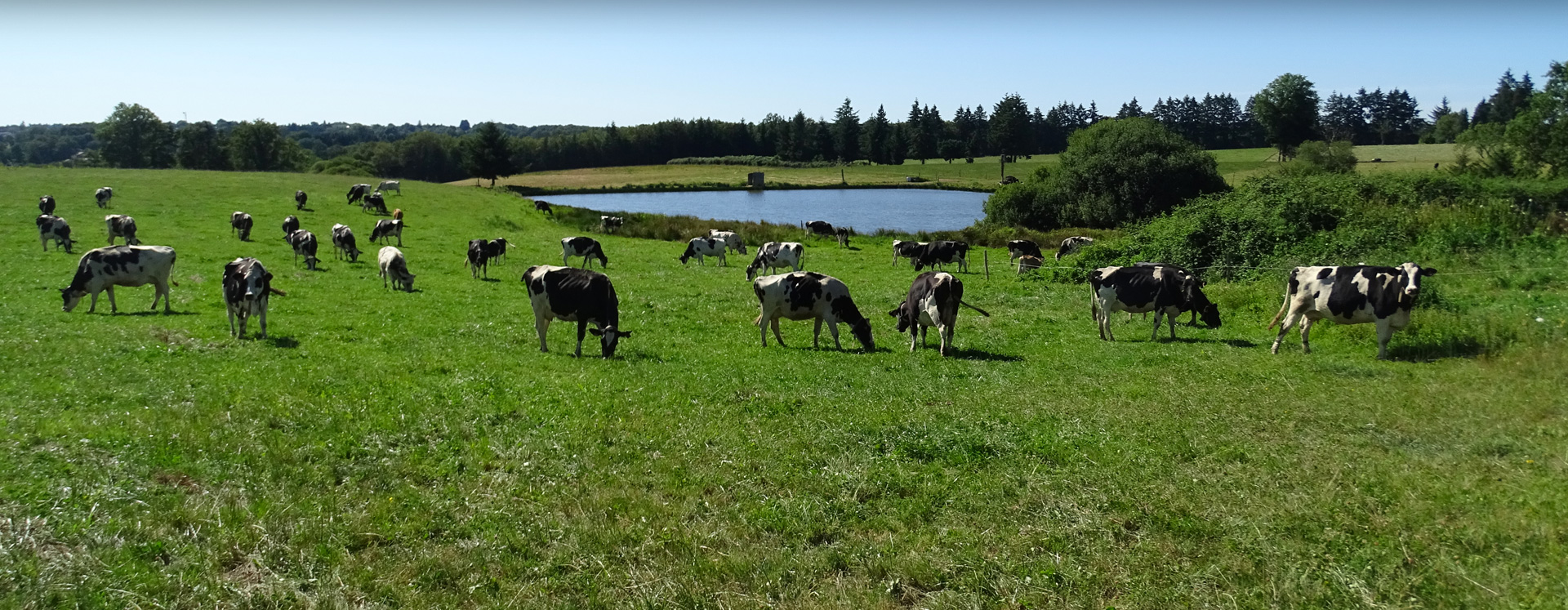
The animals graze freely in summer and eat quality fodder in winter. No industrial feed, no forced diet — a natural rhythm that respects their needs.
Permanent pastures capture carbon and preserve biodiversity. Barn drying replaces the plastic of wrapped bales. A model with a low ecological footprint.
Hay Milk is the original form of dairy production, practised for centuries. The great aged cheeses — Comté, Beaufort, Gruyère — are all born from this tradition.
Dairy farmer in the Périgord Vert and owner of Ferme Belardia, Philippe is a committed advocate for Hay Milk. He explains why this approach is at the heart of the « Le Périgord » project.