Hay Milk: a standard, not a constraint
We know that not everyone is ready to switch to Hay Milk overnight.
We understand that perfectly — yields are different
and the transition takes time.
But here is the technical reality: long ageing is not compatible
with butyric bacteria. These bacteria, found in fermented fodder
(silage, wrapped bales), produce gases that cause cheeses to swell and crack
during ageing. This isn't a whim — it's cheese science.
This is why the greatest French PDO pressed-paste cheeses,
such as Comté and Beaufort, ban fermented feed in their specifications.
We want to produce a fine dining tomme capable of rivalling these benchmarks.
That means upholding the same standard.
In practice, Hay Milk means: the original form of milk
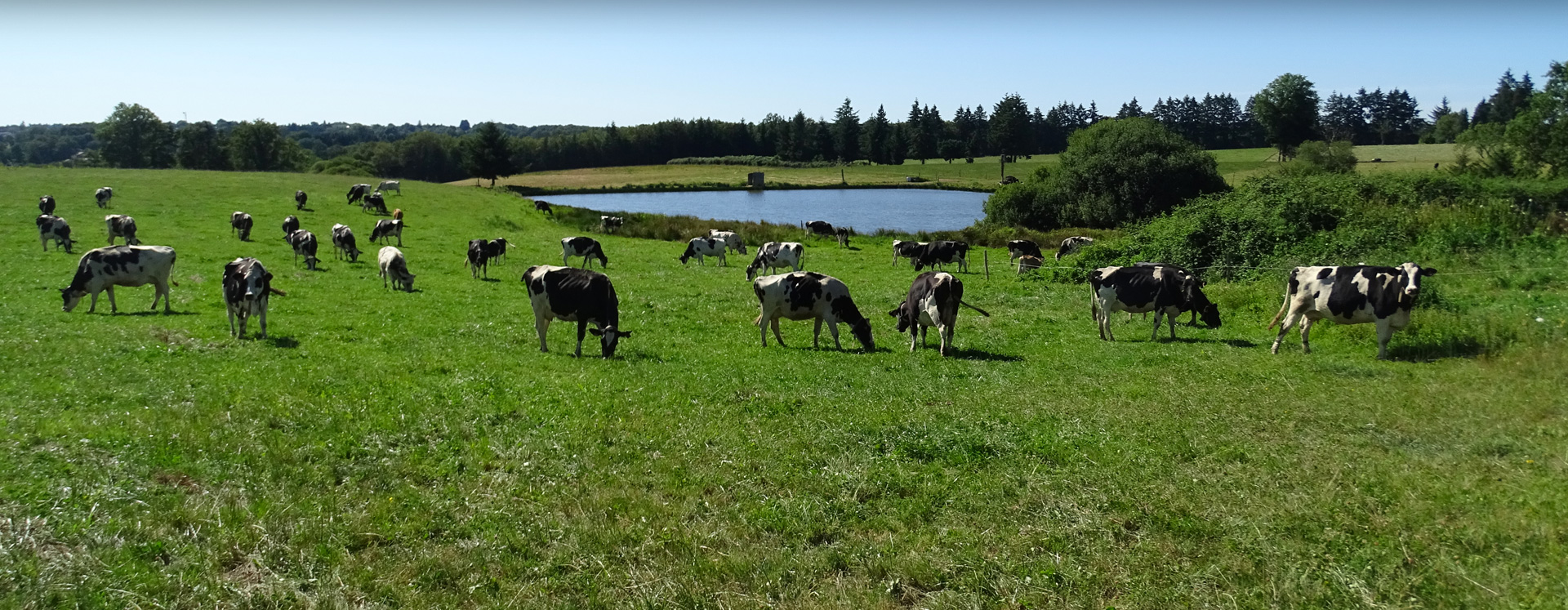
production. Animals fed on grass in summer and hay in winter,
with no fermented feed or GMOs, following the rhythm of the seasons.
An official European quality label (TSG) recognised by INAO in France,
with a low carbon footprint that meets today's societal expectations.
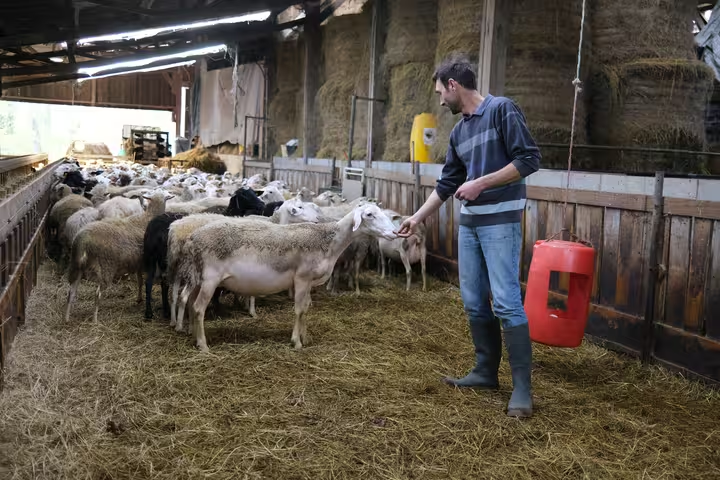
Barn drying makes this achievable by guaranteeing quality fodder
regardless of weather conditions. Funding options exist and we
support each farmer through the transition.
Discover Hay Milk in detail →
 Hay Milk TSG